How to Enjoy a Relaxed Yet Refined Night at a Gin Bar NYC
@manuelcnyd589

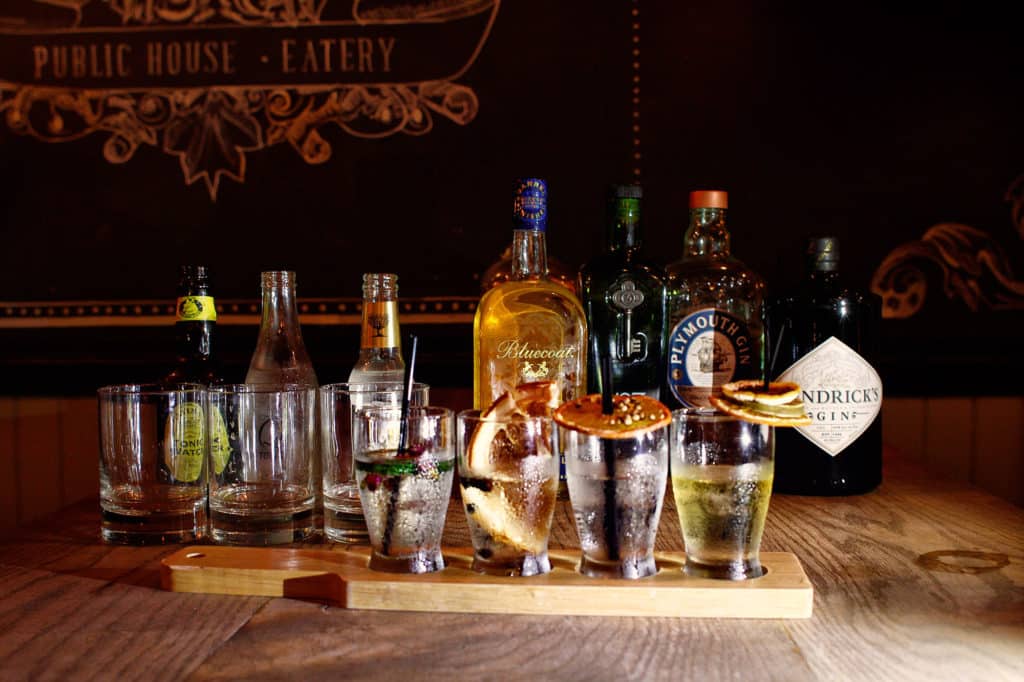

New York does many things loudly. Gin bars, at their best, are not one of them.
A good gin bar in NYC offers a different kind of evening from the usual downtown sprint. The appeal is not just the drink itself. It is the pace, the detail, the sense that somebody behind the bar actually cares whether your martini is brisk and clean or softly aromatic, whether your tonic buries the spirit or lifts it, whether you want a room with a low murmur or a little edge. The refined part is easy to understand. The relaxed part takes more judgment.
If you want a night that feels polished without becoming stiff, a little planning helps. Not overplanning, which can kill the mood before the first sip, but the kind of judgment that lets the night unfold without friction. That means choosing the right place, knowing what to order, understanding how gin behaves in different drinks, and setting a tempo that leaves room for pleasure instead of performance.
Start by choosing the right kind of room
Not every bar that stocks ten or twenty gins is really a gin bar. In New York, the best rooms tend to have a point of view. Some lean botanical and modern, with bright pours from smaller producers and a menu full of citrus, herbs, and saline accents. Others favor classic European structure, with juniper-forward London dry bottles, proper martinis, and restrained service that never feels showy. A few split the difference and do it beautifully.
The first decision is not what to drink. It is where you want the evening to sit on the spectrum between lively and hushed.
If you are heading out on a Friday at 8:30, for example, a place with a serious cocktail reputation may already be three layers deep at the bar. That can still be fun, but it changes the night. You are less likely to have a real conversation with the bartender, more likely to order quickly, and more likely to absorb the room’s momentum whether you wanted it or not. If your goal is a relaxed but refined evening, the better move is often earlier, later, or slightly off the main rush. Arriving around 6:30 or after 10 can transform the experience. The same room, same music, same menu, but more air around it.
Neighborhood matters too. A gin bar in the West Village may invite lingering and a slow walk before or after. A polished spot in Flatiron or Midtown can work well before dinner or a concert, especially if you want structure to the evening. Brooklyn bars often give you a little more space, both physically and psychologically, though that depends on the block and the night. There is no universal best setting. There is only the setting that lets you relax without lowering your standards.
Understand what you actually like in gin
People often say they like gin when what they really like is one expression of gin. That distinction matters. Gin can be dry and piney, soft and floral, bright with citrus peel, savory with herbs, or spiced in a way that almost crosses into winter spirits. If you know your lane, even roughly, the whole night improves.
Juniper-forward gin gives structure. It is the spine of a classic martini and the reason a simple gin and tonic can feel crisp instead of sweet. Citrus-driven gin tends to feel more open and easy, especially in highballs and Collins-style drinks. Floral gin can be lovely, though in careless hands it becomes perfumed. Herbal or savory gin, especially when paired with vermouth, olives, capers, or saline touches, makes for some of the most elegant bar drinking in the city.
This is where the best bartenders earn your trust. If you say, “I like martinis but not when they get too sharp,” or “I want something refreshing that still tastes like gin,” a serious bartender can guide you far better than if you order by brand alone. The specific bottle matters, but the shape of the drink matters more.
One thing I have seen repeatedly in strong cocktail rooms is that guests often undershoot their own taste. They ask for something “easy” because they do not want to appear demanding, then end up with a drink that is pleasant but forgettable. A refined night out should include at least one drink that feels precise and unmistakably chosen for you. Give the bar enough information to make that happen.
The martini question deserves honesty
At many gin bars in NYC, the martini functions as a quiet test. Not of the guest, but of the bar. It reveals technique, confidence, and restraint faster than almost anything else on the menu.
That does not mean everyone should order one. It means that if you enjoy gin, you should consider whether this is the setting for it. In a truly good bar, a martini arrives cold enough to hold shape, balanced enough to invite another sip, and seasoned to your preferences rather than the bartender’s ego. You should be able to say wet, dry, twist, olive, or filthy without creating drama.
There is also a practical point here. A martini can start the evening beautifully, but it sets a tone. It is spirit-forward, usually stronger than guests estimate, and not always the best opening move if you arrived hungry, warm, or tired. If your aim is to stay relaxed, one common mistake is opening with a martini on an empty stomach, then trying to “pace” the rest of the night from there. Better to begin with a long drink if you need to settle in, then move into a martini once you have water and something small to eat.
A refined night is not about ordering the most serious drink first. It is about reading your own condition honestly.
Why tonic, ice, and glassware are not small details
Gin is unusually sensitive to context. The same spirit can feel taut and mineral in one serve, lush and expressive in another. That is why details people dismiss as minor can change the whole experience.
Tonic is the obvious example. Some tonics are dry and quinine-led, some are sweeter, some push citrus, some carry a lot of aromatic top notes. A bartender who pairs tonic thoughtfully can make an ordinary gin taste focused and expensive. A careless tonic can flatten a very good bottle in seconds. If the bar offers different tonic options, that is usually a sign that they understand the assignment.
Ice matters because dilution is not the enemy. Poor dilution is. Large, clear cubes keep a martini cold without watering it down too quickly once served. Good Collins ice gives a long drink a clean texture instead of a slushy collapse. In summer, especially in crowded Manhattan rooms, you feel these choices immediately.
Glassware is not just theater either. A proper chilled coupe or martini glass protects aroma and temperature. A heavy rocks glass changes how a savory gin cocktail lands in the hand. Highballs need enough room for lift and carbonation. Refined bars get these things right because they know refinement is cumulative. One right detail feels nice. Five right details create atmosphere.
Let the first round set the pace, not the whole agenda
There is a real temptation, especially in a city full of high-expectation dining and drinking, to turn a simple night out into a series of “best” decisions. Best bar, best seat, best bottle, best second stop. That mindset rarely produces the most enjoyable evenings.
At a gin bar, the first round should act like a calibration. Maybe you ordered a classic gin and tonic with a drier tonic than usual and realized you want something softer next. Maybe the house martini is excellent but colder and leaner than you expected, so your next drink should involve a little citrus or vermouth sweetness. Maybe the room is louder than you thought and a bar seat near the service station is all action, no ease.
Good nights improve when you respond to what is actually happening, not what you imagined from a menu screenshot.
I have watched couples rescue an evening simply by slowing down after the first drink instead of trying to force excitement. Order some olives, almonds, or a small plate if the bar offers one. Have water before round two. Shift from the bar to a table if one opens and the room allows it. The relaxed atmosphere people admire in great bars is often built from these small adjustments.
Dress for ease, not for spectacle
This seems superficial until you have spent two hours in an outfit that only works while standing perfectly still.
A refined gin bar in NYC does not require costume. It calls for intention. You want to look put together enough that the room feels reciprocal, but comfortable enough that your body is not distracting you from the evening. That usually means clean lines, good shoes, and layers that can handle the thermostat swings of New York nightlife. Summer bars can be sticky at the entrance and aggressively cool once you sit. Winter bars often feel glorious for twenty minutes and then overheat under coats and crowd density.
There is also a social element. If you feel physically at ease, you order better, talk better, and notice more. The opposite is true when you are tugging at a collar or regretting your shoes halfway through the second drink. Refinement is often less about looking formal than about appearing settled.
Food is not an afterthought
One of the fastest ways to lose the “relaxed” part of the night is to treat food as optional. Gin, especially in classic cocktails, can drink cleaner than it really is. The alcohol hides behind chill, citrus, and aromatics. That is part of its charm and part of its danger.
Even a light bar snack can stabilize the evening. Salty things work especially well with gin because they sharpen perception without adding heaviness. Olives, nuts, chips with good dip, deviled eggs, a small crudo, or a restrained cheese plate can all do the job if the bar offers them. In more serious cocktail bars with kitchen programs, the ideal pairing is usually something with acid, salt, or herbal freshness rather than a rich, greasy plate that mutes your palate.
If dinner is the main event elsewhere, think of the gin bar as the overture, not the place to prove endurance. One or two drinks before a meal can feel elegant. Three fast drinks before a late reservation often feels less elegant by the time the appetizers arrive.
Talk to the bartender like a person, not a search engine
There is an art to getting good guidance at the bar, and most of it has to do with clarity and tone. Bartenders in strong gin programs can do a lot with very little information, but they cannot read around vagueness forever.
Saying “surprise me” sounds relaxed, yet it usually forces the bartender to guess whether you are adventurous, cautious, sweet-leaning, spirit-forward, price-sensitive, or simply indecisive. A better approach is to offer a few useful signals. Mention a spirit or drink you tend to like, say whether you want something brighter or deeper, and note anything you want to avoid. That is enough to start a real exchange.
The other part is timing. If the bar is slammed, ask concise questions. If there is a lull, feel free to ask about a particular gin, vermouth choice, or garnish. Professionals generally enjoy talking shop with people who are genuinely interested and respectful of the room’s pace.
A memorable night at a Gin Bar NYC often turns on this kind of interaction. Not because you need a masterclass, but because a thoughtful recommendation makes the experience feel personal without becoming precious.
Know when to stay with classics and when to experiment
There is no virtue in ordering obscure drinks you do not really want. There is also no reason to spend an evening inside the same three choices if the bar clearly has range.
Classics are classics because they reveal the spirit cleanly. A martini, negroni, gimlet, and gin and tonic all show different sides of gin. If the bar executes them well, starting with a classic is smart. It gives you a baseline. From there, experimentation makes more sense. Maybe you move to a house drink that uses shiso, green peppercorn, cucumber, fino sherry, or a touch of absinthe. Maybe the bar makes a White Negroni that lands sharper and more mineral than the red-bitter standard. Maybe they have a seasonal sour with restrained sweetness and fresh herbs that fits the weather perfectly.
The trade-off is simple. Classics offer reliability. House drinks offer discovery. A relaxed yet refined night usually benefits from both.
A few habits that keep the evening graceful
The mechanics of a good night are unglamorous, but they matter. Water between rounds helps more than people admit. So does paying attention to volume, both your own and the room’s. Refined bars rarely improve when guests treat them like sports bars at midnight. If you want the place to remain calm and attentive around you, act like part of that atmosphere.
It also helps to decide early whether this is a one-stop evening or the first chapter of a longer night. Some gin bars are ideal destinations where you should settle in and let the room carry you. Others work best as a first stop before dinner or music or a final quiet drink after an event. Forcing a bar to be the wrong kind of place often creates disappointment that the bar did not earn.
If you want a simple guide for the night, this one works well:
- Arrive a little before or after peak rush if your priority is comfort.
- Start with a drink that matches your actual mood and appetite, not your idealized self.
- Ask for guidance with specifics, especially if the gin list is broad.
- Eat something small before the second round if dinner is not immediate.
- Leave while the night still feels composed, not after it has tipped into effort.
When splurging is worth it, and when it is not
New York drinking can get expensive fast. At a serious cocktail Gin Bar NYC bar, a well-made gin drink often sits in a price range that makes every order a decision. The trick is to spend where it changes the experience.
A carefully prepared martini with excellent gin and proper temperature control is worth paying for if that is what the bar does best. A custom recommendation based on your taste is worth paying for. A second round that shifts gears intelligently can be worth paying for. By contrast, paying premium cocktail prices for a loud room where you cannot hear your companion and your drink arrives warm is usually false luxury.
There is no shame in keeping the bill focused. One exceptional drink and one snack can deliver more pleasure than three mediocre rounds. Refinement has less to do with quantity than with attention.
The best nights feel unforced
What people remember from a great gin bar evening is rarely the most elaborate element. They remember the first sip landing exactly right after a long day. They remember the bartender steering them from a too-dry choice into something more generous. They remember a cold glass, a clean citrus twist, the hum of the room staying just below intrusive, the sense that time slowed down without ever stopping.
That is the sweet spot a good Gin Bar NYC can deliver. Not a spectacle, not a lecture, not a checklist of luxury signals. Just a room with taste, a drink with structure, and enough ease to enjoy both. When you choose the setting carefully, order with a little self-knowledge, and let the night breathe, refined stops feeling formal. It starts feeling natural. And that is usually when the evening becomes memorable.
The Winslow
243 E 14th St
New York, NY 10003, United States
Phone: +1 212-777-7717
FAQ About Gin Bar NYC
How to do a gin tasting?
Start with a small pour and gently smell the gin before taking a small sip. Notice its juniper, citrus, floral or spice notes, then compare how the flavor changes with a little water or tonic. At a gin bar, ask the bartender to explain the selection and botanical pairings.
How to make the best tasting gin and tonic?
Use chilled gin, fresh tonic and plenty of ice. A common starting ratio is one part gin to two parts tonic, adjusted to taste. Choose a garnish that complements the gin's botanicals and stir gently to preserve the bubbles.
What is the smoothest tasting gin?
There is no single smoothest gin for everyone. Perceived smoothness depends on the botanical recipe, alcohol strength, serving temperature and mixer. Describe whether you prefer citrus, floral, herbal or juniper-forward flavors so a bartender can suggest a suitable style.