The Social Appeal of a Stylish Gin Bar
@manuelcnyd589
A stylish Gin Bar does more than serve a good drink. It creates a setting where people feel slightly more interesting than they did when they walked in. That shift matters. Hospitality, at its best, gives people permission to loosen their posture, sharpen their attention, and enjoy each other with more care than they might in a louder, less considered room. Gin, with its range of botanicals, aromas, and rituals, happens to be especially well suited to that kind of environment.
There is a reason certain bars become regular meeting points while others, even with technically competent drinks, never develop much life. The successful ones understand that social energy is not accidental. It is built from details most guests notice only indirectly: the lighting that flatters rather than exposes, the music that supports conversation instead of fighting it, the bar team that knows when to explain and when to step back, the glassware that adds texture without becoming precious. In a strong gin-focused venue, all of those elements work together. The result feels composed, but not rigid. Sophisticated, but not cold.
That balance is the real social appeal. A stylish Gin Bar attracts people who want an experience with shape to it. Not chaos, not a quick transaction, and not a room designed merely to be photographed. They come for the feeling that the evening might unfold well.
Why gin lends itself to sociability
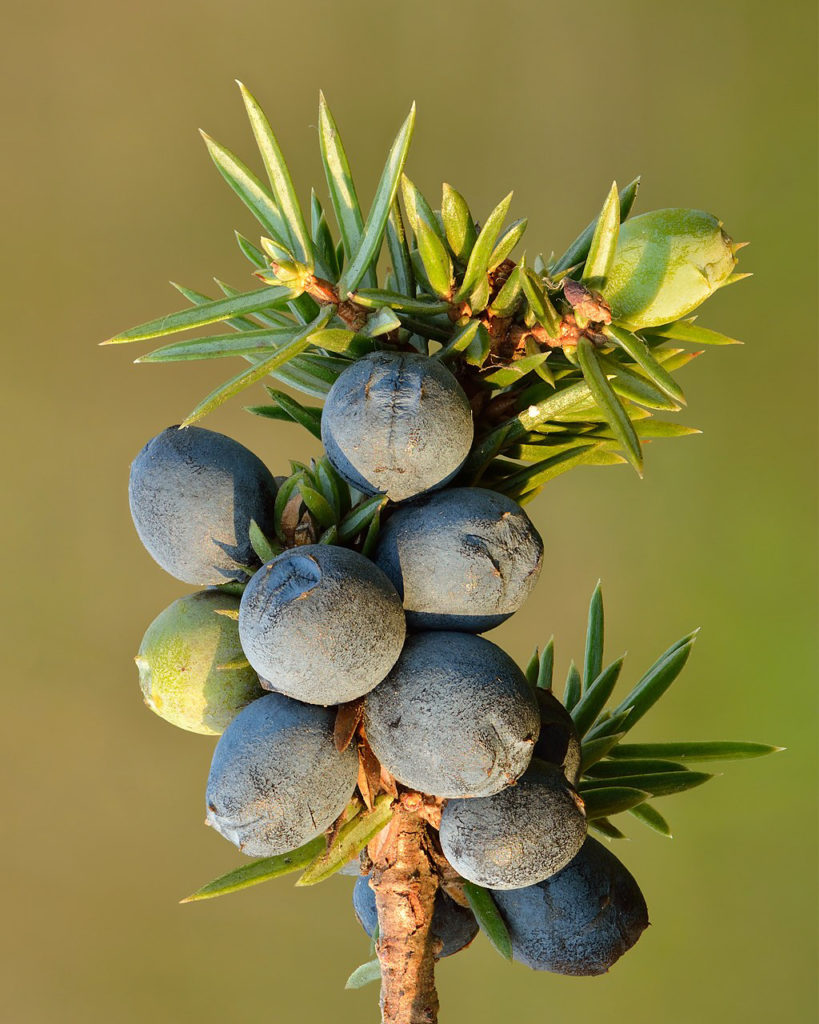
Gin is one of the few spirits that invites conversation before the first sip. Whiskey often carries a private, contemplative mood. Tequila can tilt quickly toward celebration. Vodka tends to disappear into mixers. Gin, by contrast, announces itself. Juniper is the backbone, but what comes after depends on the distiller's hand: citrus peel, coriander, angelica, orris root, rosemary, lavender, pepper, olive, seaweed, lemongrass. Even people with limited spirits knowledge can taste that variety.
That gives bartenders and guests common ground. Someone asks why one gin feels bright and another savory, and suddenly the bar is doing more than pouring drinks. It is giving strangers, dates, colleagues, and old friends something specific to talk about. I have seen hesitant groups warm up simply because the bartender placed two gins side by side and described one as crisp and alpine, the other as softer and more floral. Nobody needed a lecture. They just needed a point of entry.
The classic gin and tonic helps too. It is familiar enough to feel safe, but flexible enough to feel personal. Change the tonic, garnish, ice format, or gin style, and the drink shifts character. A guest who would never order a stirred martini might still be curious about a Spanish-style serve in a balloon glass with pink grapefruit and a peppercorn lift. Another guest may prefer a lean, dry martini with a lemon twist and no garnish clutter at all. Both orders can coexist comfortably at the same bar because gin naturally accommodates a range of tastes without losing its identity.
That versatility supports social groups in a practical way. In any party of four or six, experience levels differ. One person knows every London dry on the shelf. Another usually drinks wine. Someone else just wants something refreshing and not too sweet. A well-run Gin Bar can satisfy all three without making any guest feel out of place.
Style is not decoration, it is social engineering
When people say a bar has style, they often mean that it looks good. That is only part of it. Real style in hospitality is functional. It guides behavior.
Take seating. Low, deep lounge chairs can look luxurious, but they often discourage easy interaction unless the tables are carefully placed. Tall stools along the bar produce a different dynamic, one that encourages short exchanges with staff and neighboring guests. Banquettes along the wall can make a room feel settled and intimate, but if every table is too tightly packed, conversations begin to bleed into each other and privacy disappears. Good designers understand these trade-offs.
A stylish Gin Bar usually gets that mix right. It gives solo guests a graceful place to sit without feeling stranded. It gives couples enough intimacy to hear each other. It gives small groups enough surface area for drinks, water, snacks, and the inevitable phone someone swears they are not checking. The best rooms feel busy at 60 percent full and warm at 90 percent full. That is not luck. It is planning.
Lighting deserves special mention because it shapes mood more reliably than almost any other design choice. Flat overhead light is the enemy of atmosphere. It drains depth from the room and makes everyone feel as if they are waiting for transport rather than settling in for an evening. A strong bar uses layered light. Shelves glow softly behind the gin bottles, candles or low lamps warm the tabletops, and the bar surface itself has enough brightness for the drinks to look alive. Guests may never articulate any of that, but they respond to it immediately.
Then there is sound. Stylish bars often avoid the obvious mistake of treating music as the main event. If guests have to lean in and repeat themselves every thirty seconds, the social promise of the room collapses. A Gin Bar should hum, not roar. The right soundtrack creates rhythm without hijacking attention. You want a room where laughter rises naturally, glass meets ice with a clean snap, and conversation remains the dominant feature.
The ritual of ordering and what it does for human connection
One overlooked pleasure of a Gin Bar is that ordering becomes part of the night rather than an interruption in it. At generic venues, drink service can feel purely transactional. You ask, they pour, you pay, end of exchange. In a more considered gin program, there is often a short moment of collaboration. The bartender asks whether you prefer citrus, herbs, bitterness, salinity, or floral notes. You answer, perhaps imperfectly. They translate that into a drink. The gap between uncertainty and enjoyment is bridged in real time.
That small act has social value. It creates trust. It also lowers the stakes for guests who do not know much about spirits but want to order with confidence. I have watched plenty of people relax after a bartender says, "If you like a dry white wine and clean flavors, I know exactly where to start." Good hospitality turns taste into language the guest can use.
For dates, this can be particularly effective. A shared discovery is easier than forced small talk. Tasting each other's drinks, comparing garnish choices, debating whether rosemary improves or overpowers a serve, all of that gives the table movement. It is conversation with structure, and structure is often what people need to get past the first ten awkward minutes.
For groups of friends, gin has a way of encouraging exchange without demanding performance. Not every social setting benefits from spectacle. Some bars lean too hard on smoke, fire, elaborate vessels, or drinks that arrive with more theater than flavor. There is a place for that, but it can fatigue quickly. A stylish Gin Bar generally succeeds through subtler means. The interest is in aroma, balance, chill, dilution, and detail. Guests can appreciate those things without feeling pressured to react.
The role of the bartender as host, translator, and editor
Any discussion of a Gin Bar's appeal is incomplete without the people behind the bar. Design gets guests through the door, but staff determine whether the place develops a social identity worth returning to.
The strongest bartenders in gin-led spaces tend to have a particular skill set. They know the back bar, of course, but more importantly, they can read confidence levels. They sense when a guest wants a short explanation and when they want a deeper one. They can tell when a table is in a celebratory mood and when it wants quiet competence. They know that recommending the rarest bottle is not the same as recommending the right drink.
That kind of judgment affects the whole room. A bartender who oversells can make guests feel tested. A bartender who undershares can make the bar feel flat and interchangeable. The sweet spot is curation. "If you normally drink a G&T, try this with a Mediterranean tonic and a basil leaf." "If you want something Martini-adjacent but less severe, let me build you a Gibson variation." Comments like that are useful, unshowy, and memorable.
There is also a subtle democratic quality to a great bar team. Regulars may get recognized, but newcomers should never feel second tier. In the best places, the social hierarchy remains pleasantly soft. Someone ordering a house gin and tonic receives the same care as someone exploring a premium flight. That matters more than many operators realize. People return to bars where they feel respected, not merely served.
Why stylish gin bars appeal across age groups
Few categories bridge generations as gracefully as gin. Older guests may associate it with classic cocktails, old-school hotel bars, and the discipline of a proper martini. Younger guests may come through the route of craft spirits, low-sugar serves, and visual presentation. A stylish Gin Bar can honor both instincts without looking split in half.
Part of the appeal is that gin carries heritage without feeling heavy. It has history, but not all the ceremony that can make some spirits programs seem forbidding. A sixty-year-old guest and a twenty-eight-year-old guest can sit at the same bar and order different expressions of the same spirit, each feeling that the place understands them. That is socially powerful. Shared spaces are rarer than they used to be, and bars that genuinely accommodate mixed age groups hold real value.
The key is avoiding caricature. If the room leans too far into old-fashioned club aesthetics, younger guests may admire it once and never return. If it chases trends too aggressively, older guests may feel displaced by noise, novelty, or self-conscious cool. Stylishness, in this context, means editing. Keep the room fresh, keep the menu alive, but anchor the experience in comfort and quality.
Food, pacing, and the shape of an evening
The social success of a Gin Bar is not just about the first drink. It is about whether the room can sustain people comfortably over two or three hours. That is where food and pacing come in.
Bars that ignore food often force an unnecessary choice. Guests either leave early or drink more quickly than they intended. Neither supports a good social atmosphere. Even a concise menu of well-made bar snacks changes the tone of the night. Salty almonds, good olives, citrus-cured fish, crisp potatoes with aioli, a small tart, quality charcuterie, or a thoughtful cheese plate can extend a conversation by an hour with almost no friction. The food does not need to compete with a full restaurant. It just needs to support the drinks and stabilize the pace.
Pacing also depends on service rhythm. Some bars rush the second round because they fear losing momentum. Others forget to check back and let energy sag. In a stylish Gin Bar, timing should feel almost musical. Water appears before it is requested. Empty glasses are noticed, but not pounced on. Guests are given enough room to linger over the first drink if the conversation is good. This sounds simple, yet it is one of the clearest signs of professional operation.
I have seen bars with excellent spirits lists lose regulars because they treated every table as if turn time were the only metric. There is a financial logic to speed, but Gin Bar it has limits. The social appeal of a bar rests partly on whether people can settle in. If every interaction nudges them toward moving on, they may admire the place while quietly deciding not to return.
The visual language of the back bar
A gin-focused back bar has unusual expressive power. Rows of bottles can easily become clutter, but in a stylish setting they tell a story. Shape, color, labels, and shelf arrangement all contribute to the room's personality. Unlike many spirit categories, gin bottles often carry strong visual identities, from severe pharmacy-inspired designs to bright Mediterranean cues to minimal contemporary packaging.
This matters because the back bar functions as both menu and scenery. Guests read it even when they think they are not. They register abundance, discernment, and confidence. A wall packed with dozens of random bottles may signal variety, but not necessarily taste. A more selective display, thoughtfully grouped, can do more to build trust.
That visual language extends to glassware and garnishes. Not every gin serve needs a giant goblet and a garden center's worth of herbs. In fact, restraint often reads as more stylish. A thin lemon coin, a clean grapefruit peel, one clipped herb sprig, or a couple of green olives can do the job beautifully if the base drink is strong. Over-garnishing is one of the easiest ways for a bar to confuse prettiness with polish.
Social media helps, but the room has to work in person
It would be naive to ignore the role of social media in the popularity of stylish bars. A photogenic gin serve and a handsome room attract attention. That visibility helps new venues launch and can introduce wider audiences to the category. But there is a limit. If a bar is designed mainly to look good on a phone screen, guests usually sense the emptiness of that proposition within twenty minutes.
The places with staying power understand that online appeal should be a byproduct of real atmosphere. A glowing shelf of bottles photographs well because it also looks inviting in person. A jewel-toned cocktail catches the eye because it is built with care, not because someone added an unnecessary flourish for the camera. Style that survives first contact is the only style that matters commercially.
This distinction becomes especially important after the novelty Gin Bar period wears off. Every city has had bars that opened to great buzz, pulled crowds for six months, and then gradually hollowed out. Often the reason is simple. The concept was visible, but not inhabitable. Guests came once for the image, then looked elsewhere for the actual evening. A strong Gin Bar becomes part of people's routines because it offers repeat comfort with enough variation to remain interesting.
The trade-offs behind curation
For all the romance around stylish bars, there are practical trade-offs. A tightly curated gin list may please enthusiasts but frustrate guests looking for familiar brands. Premium tonics raise quality, but they also raise prices. Detailed service requires training and labor, and that has to be reflected somewhere in the business model. Ambitious glassware looks elegant, yet it breaks, chips, and must be replaced. Even lighting has trade-offs. The dim room everyone loves at 9 p.m. Can be a challenge for reading menus or handling busy service.
The best operators do not pretend these tensions are absent. They manage them. Maybe the menu includes a few recognizable gins alongside more adventurous bottles. Maybe the premium pour is balanced by one or two very strong house signatures at a friendlier price point. Maybe the room changes subtly over the course of the night, brighter early for after-work guests, lower and warmer later on.
That flexibility is often what separates truly social venues from merely stylish ones. A bar built around a rigid identity can become brittle. A bar that knows how to adapt while protecting its standards tends to last.
What people are really looking for
People rarely say, "I want a carefully calibrated environment where sensory detail supports human connection." They say, "Let's go somewhere nice for a drink." But that simple request hides a lot. They want to hear and be heard. They want a place that flatters the mood they are in, or the mood they hope to reach. They want the drink to feel worth the price and the room to feel worth the trip. They want just enough ceremony to mark the occasion, even if the occasion is only a Wednesday.
A stylish Gin Bar answers those needs with unusual precision. It offers flavor without fuss, atmosphere without chaos, and elegance without requiring guests to perform sophistication. That combination gives it broad social power. It can host a first date, a reunion, a client meeting, a solo hour with a book, or a small birthday gathering without seeming to betray its own identity.
That versatility is not accidental. It is the product of careful choices, made visible through hospitality. When the room, the service, and the drinks all align, people feel it almost immediately. They sit down, exhale, and order another round. Not because they planned to stay, but because the place makes staying feel like the right idea.
That is the enduring appeal of a great Gin Bar. It turns a drink into a setting for better company, and a setting into a reason to come back.
The Winslow
243 E 14th St
New York, NY 10003, United States
Phone: +1 212-777-7717
FAQ About Gin Bar
How to do a gin tasting?
Start with a small pour and gently smell the gin before taking a small sip. Notice its juniper, citrus, floral or spice notes, then compare how the flavor changes with a little water or tonic. At a gin bar, ask the bartender to explain the selection and botanical pairings.
How to make the best tasting gin and tonic?
Use chilled gin, fresh tonic and plenty of ice. A common starting ratio is one part gin to two parts tonic, adjusted to taste. Choose a garnish that complements the gin's botanicals and stir gently to preserve the bubbles.
What is the smoothest tasting gin?
There is no single smoothest gin for everyone. Perceived smoothness depends on the botanical recipe, alcohol strength, serving temperature and mixer. Describe whether you prefer citrus, floral, herbal or juniper-forward flavors so a bartender can suggest a suitable style.